
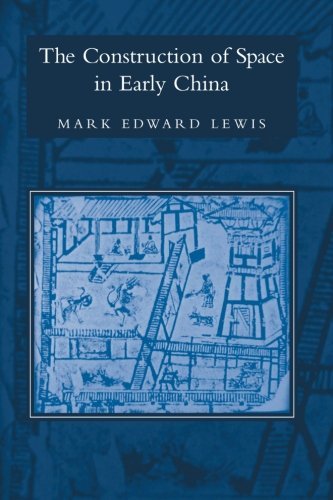
Construction of Space in Early China, The (SUNY series in Chinese Philosophy and Culture)
Product details
| Management number | 232091237 | Release Date | 2026/06/18 | List Price | US$12.40 | Model Number | 232091237 | ||
|---|---|---|---|---|---|---|---|---|---|
| Category | |||||||||
Shows how the emerging Chinese empire purposely reconceived but was also constrained by basic spatial units such as the body, the household, the region, and the world.This book examines the formation of the Chinese empire through its reorganization and reinterpretation of its basic spatial units: the human body, the household, the city, the region, and the world. The central theme of the book is the way all these forms of ordered space were reshaped by the project of unification and how, at the same time, that unification was constrained and limited by the necessary survival of the units on which it was based. Consequently, as Mark Edward Lewis shows, each level of spatial organization could achieve order and meaning only within an encompassing, superior whole: the body within the household, the household within the lineage and state, the city within the region, and the region within the world empire, while each level still contained within itself the smaller units from which it was formed. The unity that was the empire’s highest goal avoided collapse back into the original chaos of nondistinction only by preserving within itself the very divisions on the basis of family or region that it claimed to transcend.Mark Edward Lewis is Kwoh-ting Li Professor of Chinese Culture at Stanford University and the author of Writing and Authority in Early China, also published by SUNY Press.Acknowledgments Introduction Units of Spatial Order The Empire and the Reconstruction of Space 1. The Human Body Discovery of the Body in the Fourth Century b.c. The Composite Body Interfaces of the Body Conclusion 2. The Household Households as Political Units Households as Residential Units Households as Units of Larger Networks The Household Divided Household and Tomb Conclusion 3. Cities and Capitals The World of the City-States Cities of the Warring States and Early Empires Invention of the Imperial Capital Conclusion 4. Regions and Customs The Warring States Philosophical Critique of Custom Custom and Region Regions and the Great Families Regional and Local Cults Rhapsodies on Regions Conclusion 5. World and Cosmos Grids and Magic Squares The Bright Hall and Ruler-Centered Models Mirrors, Diviner’s Boards, and Other Cosmic Charts Mountains and World Models Conclusion Conclusion Notes Works Cited Index Read more
Bestseller ranking
Eastern



Customers who viewed this product also viewed
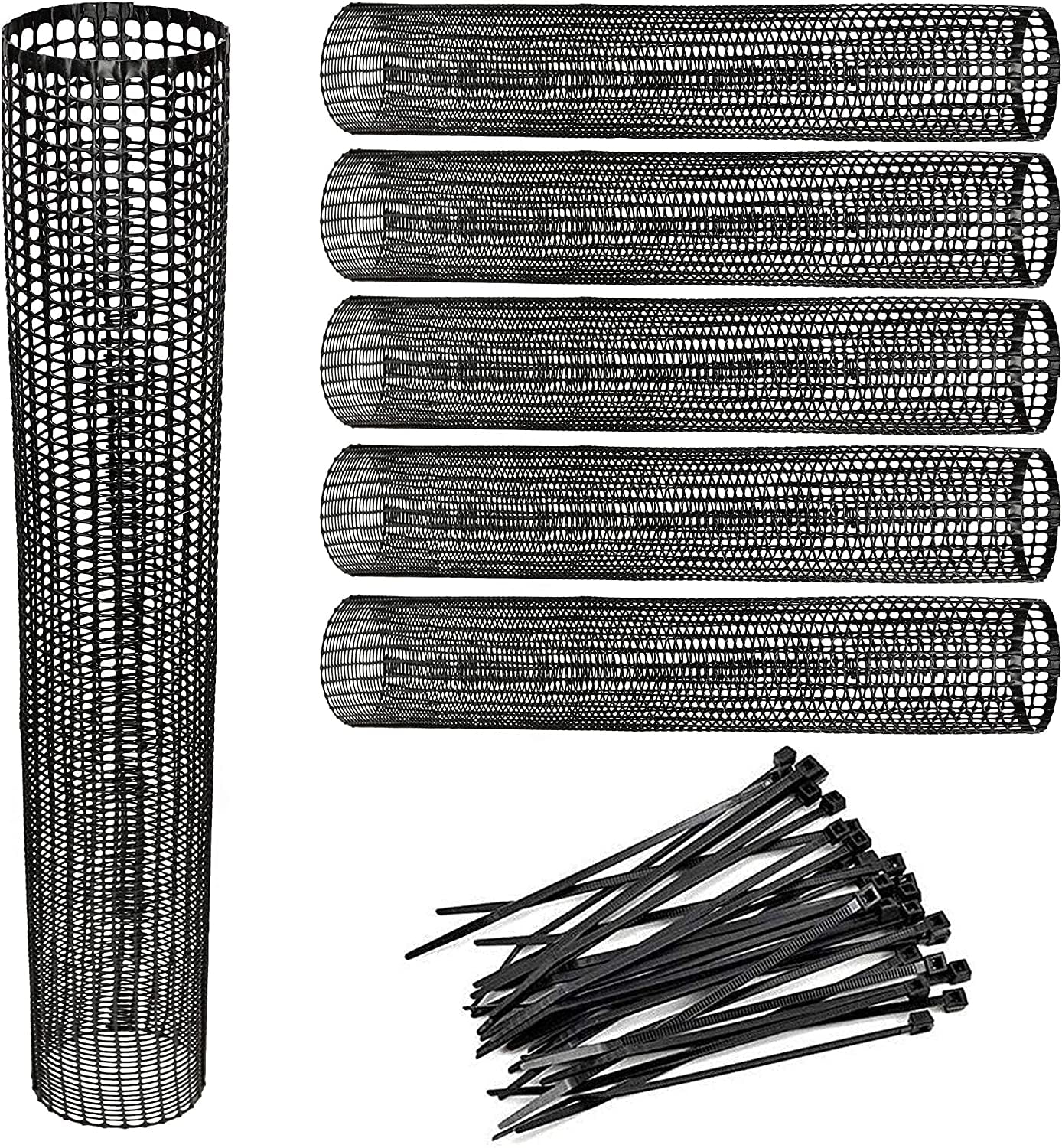
Tree Guards
Correction of product information
If you notice any omissions or errors in the product information on this page, please use the correction request form below.
Correction Request Form